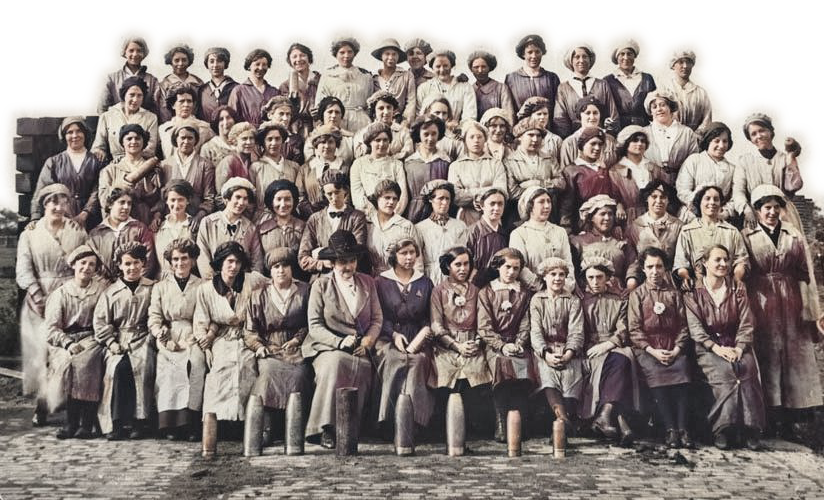
From 1915, the Garrett Works was devoted to wartime production. At its wartime peak, the works employed over 2000 people, including many women.

The Works at War

Frank Garrett Snr summed up the situation in the Works at the beginning of the First World War in the summer of 1914.

Listen to Frank Garrett Senior’s letter.

This extract is from a letter sent by Frank Garrett to friend in 1914.

Click Here

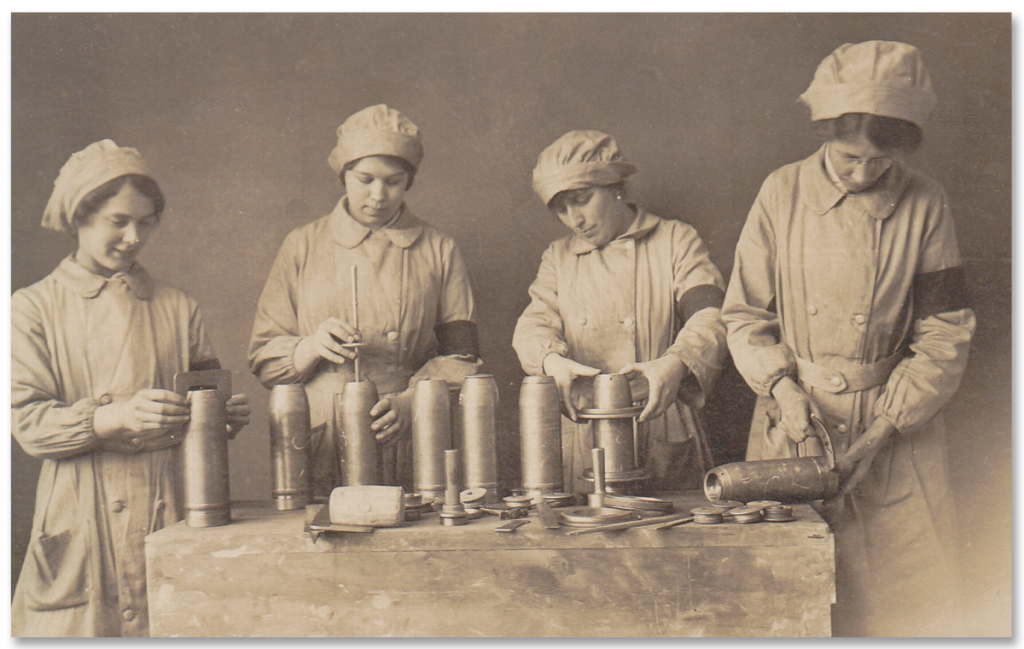
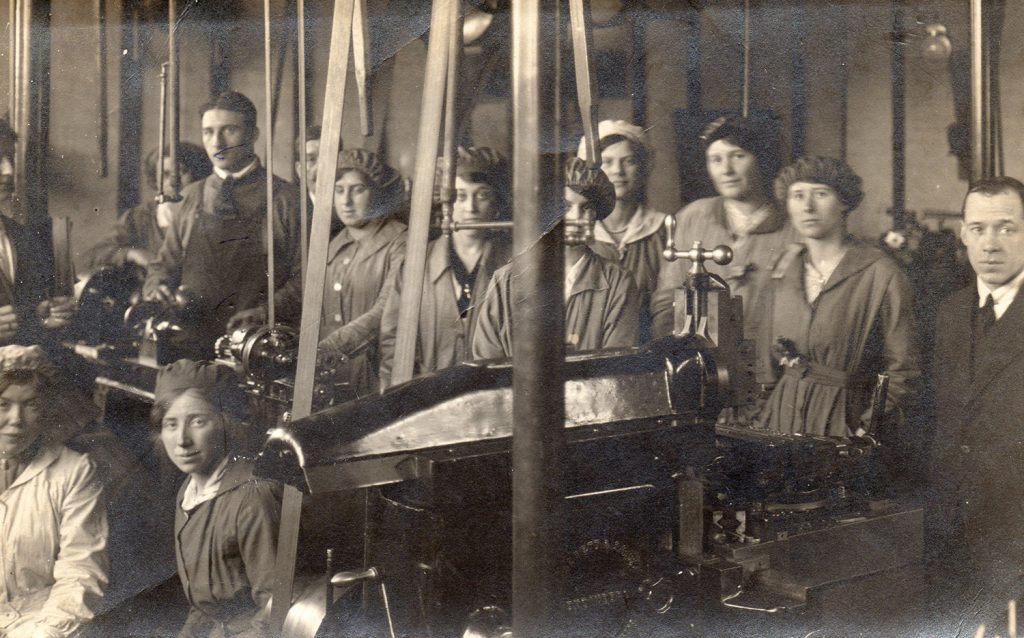
Munitions workers manufacturing shell cases

Leiston Works August 1914

Contributing to the War Effort

When Lt Col Frank Garrett returned to Leiston in early 1915, he made sure that Garretts rose to the challenge of tackling the shell shortages which he had experienced at the Front. The company manufactured a series of simplified lathes suitable for repetitive production of shell casings by unskilled workers – mainly women. By winter 1915/16 the factory was running double shifts, seven days per week, producing 7000 12-pounder shell cases each week.

Helping Transport

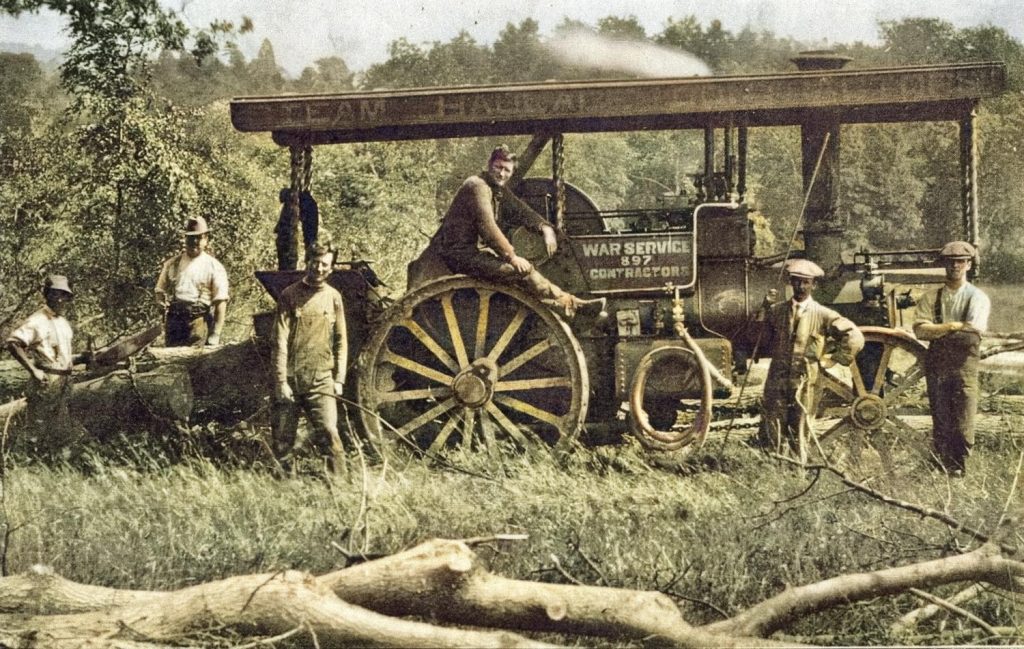
Meanwhile, the Thresher department built Maltese Carts (a two wheeled cart with a shaft each side and pulled by one horse) and other general service wagons for the army. Steam plants were manufactured which generated electricity for military camps – not just the Army but the new Air Ministry, the American Expeditionary Force and French and Belgian forces. From 1917, steam wagons and tractors were supplied for road building in France.

Twenty-four tractors were despatched from the Works in May 1918 as part of a contract for the Ministry of Munitions.

Garrett traction engine in use for timber haulage during the war

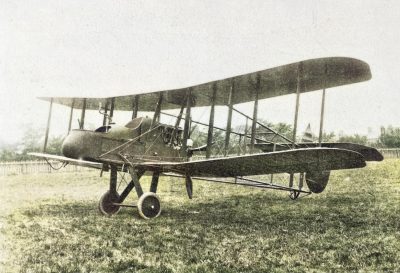
A Garrett-built Aeroplane

The FE2b aircraft was specifically designed for large-scale wartime production by companies inexperienced in aircraft production. Garretts started building the metal body parts of the aircraft for Norfolk company Boulton & Paul. In 1917, they received a contract to supply 60 complete aircraft for delivery between May and October 1918. Two new bays were added to the Station Works in the winter of 1917/18 for the Aircraft Department. Here too, much of the work was done by women.

The FE2b Aircraft

Women in the Works.

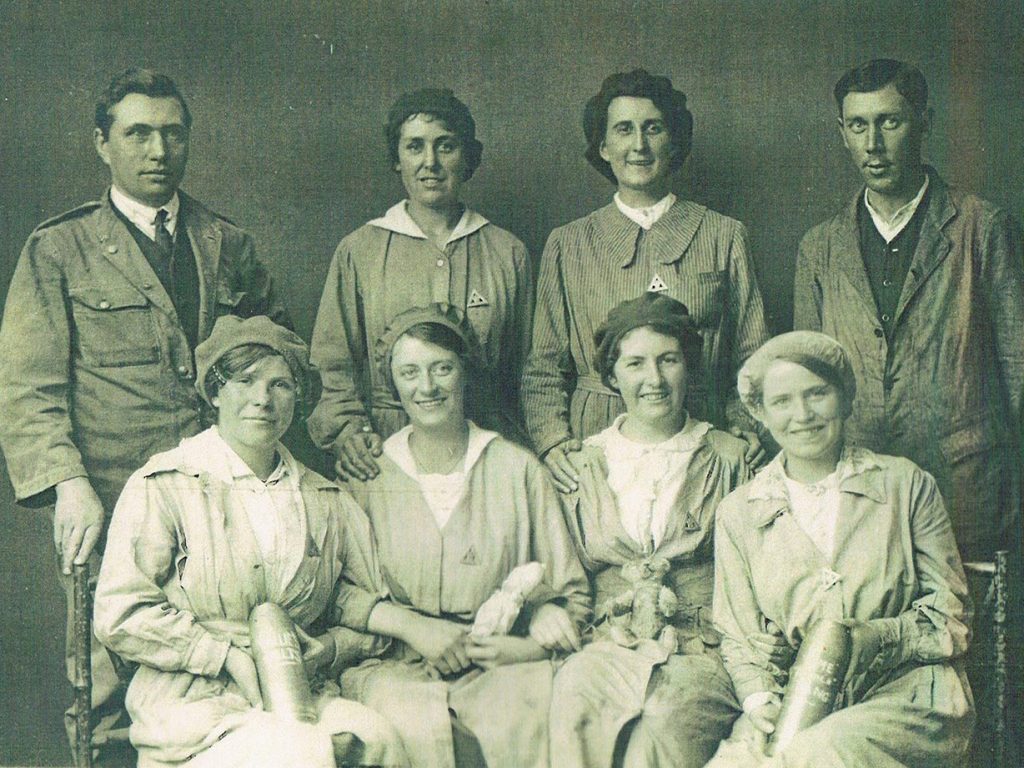
Women were invaluable at the Garrett Works in the new Shell Shop at the Station Works. There were over 1500 women on the payroll during the war years and factory work was a totally new experience. This was the first time women were recruited to Garretts for work on the shop floor. In view of this, the output of 7000 shells a week at the peak of production was impressive. Most of the female workforce was, nevertheless, discharged at the end of war when the shell shop closed.

Some copper band workers at Garretts

Garrett munitions workers being trained on belt-driven lathes

In addition to making the shell cases, some of the workforce was employed on more skilled tasks, for example as copper band turners. The copper band (driving band) near the bottom of the shell sealed the shell to the barrel.  When the shell was fired, the pressure forced the copper into the rifling grooves in the barrel. This provided a seal preventing the gases from blowing past the shell and made the shell spin which stabilised its flight.

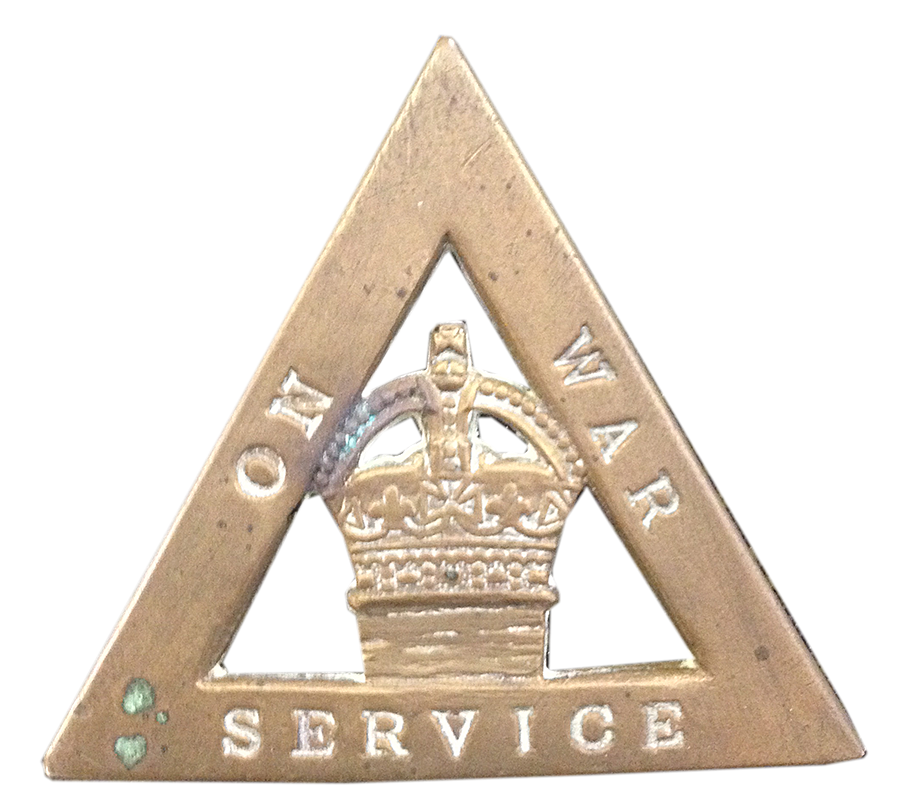
This metal badge was received for war service by each woman munitions worker. Inscribed ‘ON WAR SERVICE’.

Having Fun

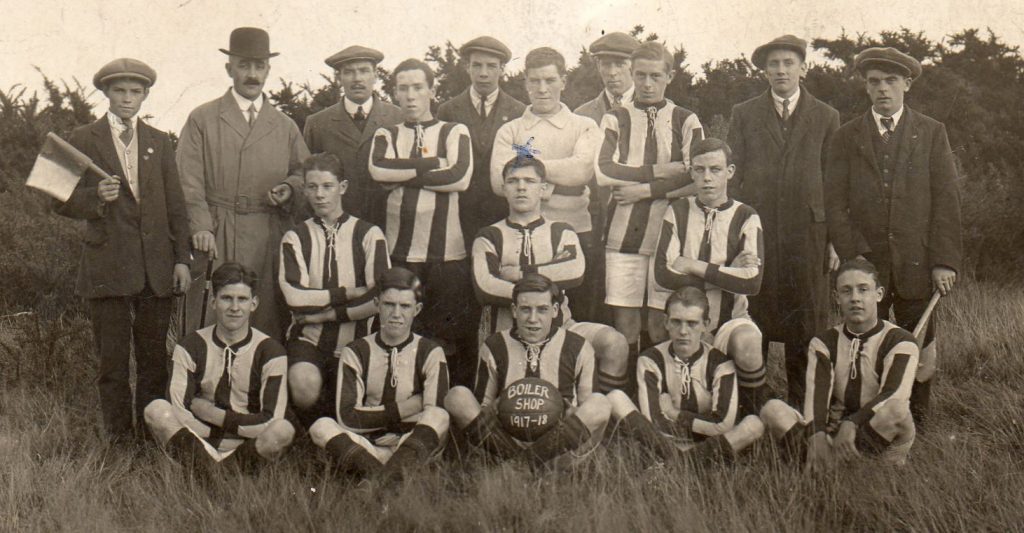
Leiston Works boilershop football team.
Team sports were a morale booster.

Garretts had always encouraged the workforce to take part in sports. It was not only in the workforce that women took over men’s activities.

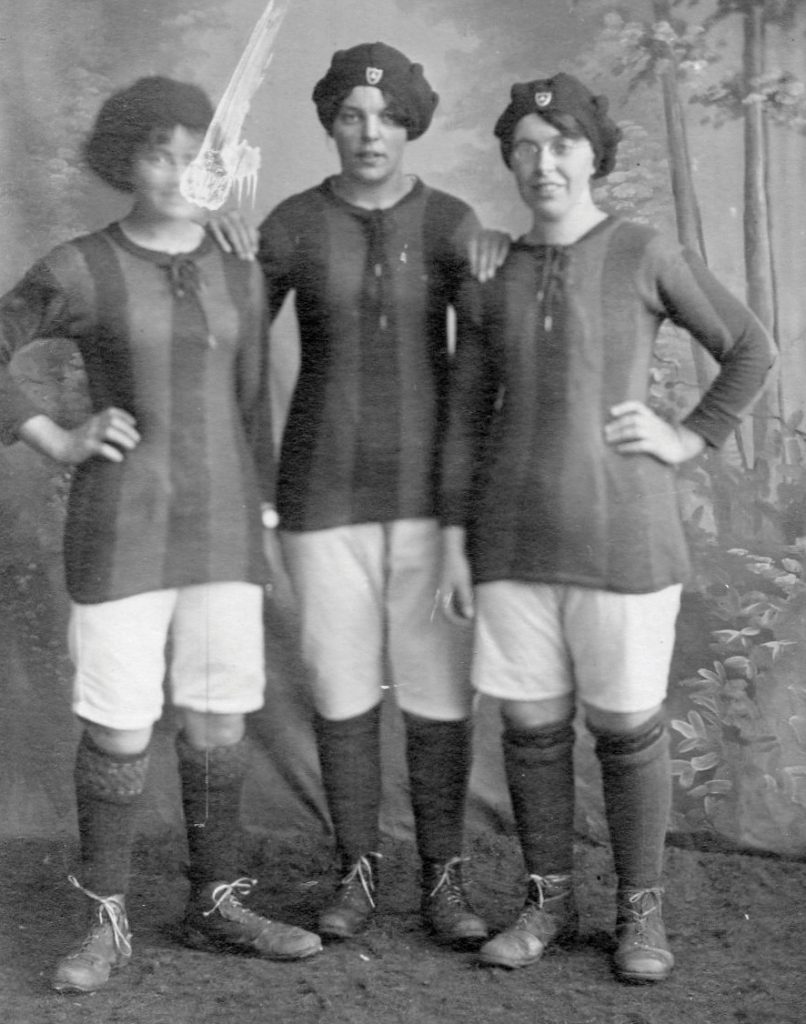
Participation in women’s sports teams such as the tug of war and football was popular. This also allowed the women to have their photos taken, something that at the time was expensive and uncommon.

Pictured are Gertie Rook,
Ruby Meadows and Lena Barker (left to right).

Women munitions workers